
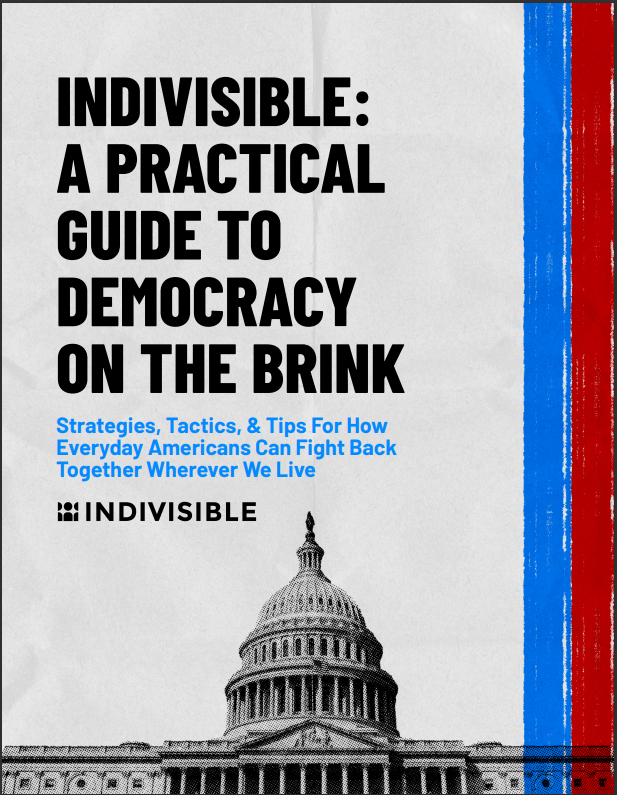
Democracy on the Brink?
Introduction
Okay, let’s be real. When you hear the word “democracy” these days, what comes to mind? For some, it’s a beacon of hope, a system where the people truly hold the power. For others, it’s… well, a bit of a mess. Divisive politics, misinformation overload, declining trust in institutions – it’s enough to make you wonder: is democracy really up to the task in the 21st century?
The news headlines scream of democratic backsliding, authoritarian creep, and societal polarization. We’re constantly bombarded with stories of election interference, suppression of dissent, and the erosion of civil liberties. It’s easy to feel overwhelmed, even a little hopeless. But before we throw in the towel and declare democracy dead, let’s take a closer look. Is it truly on the brink? And, more importantly, what can we do about it?
The Cracks in the Foundation: Short-Term and Long-Term Impacts
The challenges facing democracy aren’t abstract theoretical concerns; they have very real, tangible consequences.
- Short-Term Pain: Think about the last election cycle. The constant barrage of negative ads, the echo chambers online, the outright disinformation – it doesn’t just make us cynical; it actively discourages participation. When people feel like their voices don’t matter, or that the system is rigged, they disengage. This leads to lower voter turnout, particularly among younger generations and marginalized communities, resulting in a less representative government. Economic instability also tends to rise because the instability breeds uncertainty.
- Long-Term Consequences: The longer-term impacts are even more concerning. A weakened democracy is more susceptible to corruption, cronyism, and the abuse of power. When checks and balances are eroded, and accountability mechanisms fail, those in positions of authority can act with impunity. This can lead to a decline in the rule of law, undermining economic growth, social justice, and overall quality of life.
Another immediate impact is the rise of political instability and social unrest. When trust in institutions crumbles, people are more likely to take to the streets, leading to protests, demonstrations, and even violence. We’ve seen this play out across the globe, from the Arab Spring to recent events in Europe and the Americas.
Perhaps the most alarming long-term consequence is the erosion of fundamental rights and freedoms. As democratic norms weaken, governments may be tempted to suppress dissent, restrict freedom of speech, and curtail civil liberties in the name of national security or public order. History is littered with examples of democracies that slowly, but surely, slid into authoritarianism.
Building a Stronger Democracy: Practical Solutions and Approaches
Okay, enough doom and gloom. The good news is that democracy isn’t a fragile vase that will shatter at the slightest touch. It’s more like a muscle – it needs to be exercised and strengthened. Here are some practical solutions we can implement, both individually and collectively:
- Combat Misinformation with Media Literacy: We live in an age of information overload, where it’s increasingly difficult to distinguish fact from fiction. Misinformation spreads like wildfire online, fueling polarization and undermining trust in legitimate sources of information.
- Solution: Invest in media literacy education at all levels. Teach people how to critically evaluate sources, identify biases, and spot fake news.
- Example: Finland has implemented a national media literacy program in schools, equipping students with the skills to navigate the complex information landscape.
- Promote Fair Elections and Voting Rights: Free and fair elections are the cornerstone of any democracy. However, voter suppression tactics, gerrymandering, and campaign finance regulations can all undermine the integrity of the electoral process.
- Solution: Enact comprehensive voting rights legislation that protects access to the ballot box for all eligible citizens. Implement independent redistricting commissions to prevent gerrymandering. Reform campaign finance laws to reduce the influence of money in politics.
- Example: Automatic voter registration, as implemented in several US states, has been shown to increase voter turnout and make the electoral process more accessible.
- Strengthen Civil Society and Civic Engagement: A vibrant civil society is essential for holding government accountable and promoting citizen participation.
- Solution: Support independent media, grassroots organizations, and community groups that work to promote civic engagement. Encourage people to get involved in their communities, whether it’s volunteering, attending town hall meetings, or running for local office.
- Example: The Open Society Foundations, for instance, support civil society organizations around the world that are working to promote democracy, human rights, and the rule of law.
- Foster Dialogue and Bridge Divides: Political polarization is tearing societies apart. We need to find ways to bridge divides and foster constructive dialogue across ideological lines.
- Solution: Create spaces for people to come together and engage in respectful conversations about difficult issues. Practice active listening and seek to understand different perspectives. Support initiatives that promote cross-cultural understanding and empathy.
- Example: “Living Room Conversations” is a non-profit organization that facilitates structured conversations between people with different political views, helping them to find common ground and build relationships.
- Empower Future Generations: Young people are the future of democracy. We need to empower them to become engaged citizens and leaders.
- Solution: Integrate civic education into school curricula. Create opportunities for young people to participate in government and policy-making. Support youth-led initiatives that address social and political challenges.
- Example: The “Youth Parliament” model, used in many countries, provides young people with a platform to debate policy issues and develop their leadership skills.
Choosing Your Path: Alternative Approaches
There’s no one-size-fits-all solution to the challenges facing democracy. Different approaches may be more effective in different contexts. Here are some alternative pathways to consider:
- Direct Democracy: Instead of relying solely on elected representatives, explore ways to give citizens a more direct say in decision-making through referendums, initiatives, and participatory budgeting.
- Deliberative Democracy: Implement mechanisms for citizens to come together in facilitated discussions to deliberate on policy issues and make recommendations to government.
- E-Democracy: Leverage technology to enhance citizen participation and engagement in the democratic process, such as online voting, virtual town hall meetings, and digital platforms for public consultation.
A Call to Action: Democracy is a Verb
Democracy isn’t a spectator sport. It requires active participation, vigilance, and a willingness to stand up for our values. Yes, the challenges are daunting, but they are not insurmountable. By working together, by embracing innovative solutions, and by renewing our commitment to the principles of democracy, we can build a more just, equitable, and sustainable future for all.
Don’t just sit back and watch the news. Get involved. Educate yourself. Speak out. Engage in constructive dialogue. Support organizations that are working to strengthen democracy. Every action, no matter how small, can make a difference.
The future of democracy is not predetermined. It’s up to us to shape it. Let’s choose to build a future where the voices of all are heard, where justice prevails, and where the power truly rests with the people. The journey won’t be easy, but it’s a journey worth taking. Are you ready to join the fight?