
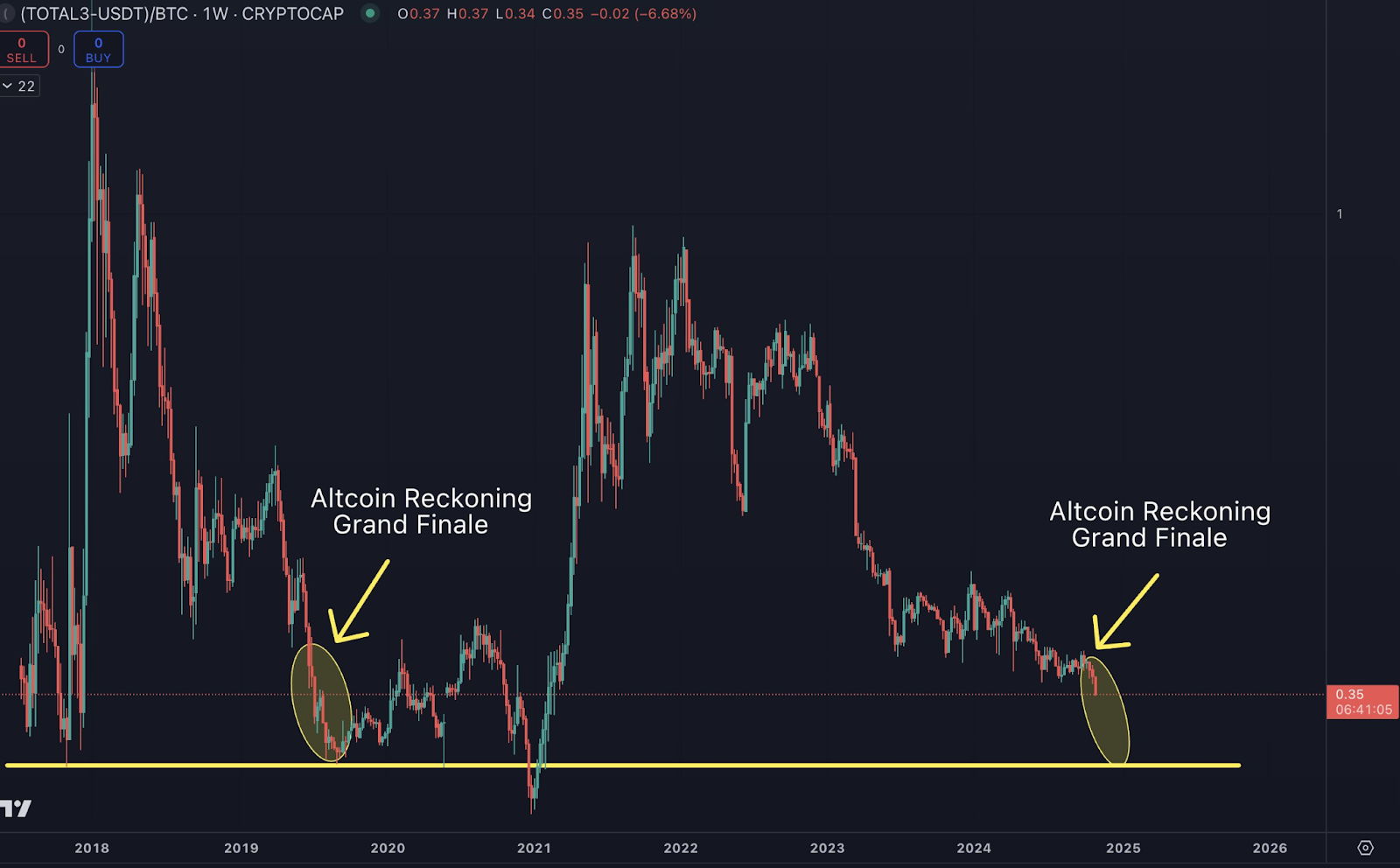
Crypto’s Reckoning: Will It Rise or Fall?
Introduction
The air crackles with uncertainty. Crypto, once hailed as the disruptor, the future of finance, the ticket to early retirement for anyone with an internet connection, is facing a reckoning. Remember those wild days of meme coins going parabolic, NFTs selling for millions, and everyone talking about decentralized finance like it was the cure for all economic ills? Things have changed.
We’ve seen the crashes, the bankruptcies, the regulatory scrutiny, and the growing realization that “decentralized” isn’t always synonymous with “safe” or “stable.” So, the million-dollar question (or should we say, the potentially multi-million-dollar question?) is: will crypto rise from the ashes, stronger and wiser? Or is this the beginning of the end, a slow and painful fade into irrelevance?
This isn’t just about Bitcoin millionaires lamenting their lost Lambos. The future of crypto impacts us all, from the potential for streamlined international payments to the very nature of digital ownership. So, let’s dive in and explore the challenges, the possibilities, and what needs to happen for crypto to truly thrive.
The Short-Term Pain: A Market Under Pressure
The immediate impact of crypto’s recent turmoil is clear: market volatility. We’ve seen the rollercoaster firsthand. Massive price swings can wipe out fortunes overnight, scaring off potential investors and shaking the confidence of even the most seasoned crypto veterans. This volatility isn’t just bad for speculative traders; it also hinders the adoption of crypto for everyday transactions. Who wants to buy a coffee with Bitcoin if its value could plummet before they even finish their latte?
Furthermore, the collapse of major crypto institutions like FTX exposed vulnerabilities in the system. Lack of transparency, poor risk management, and outright fraud have eroded trust in the industry. This not only impacts investors but also raises serious questions about the security and reliability of decentralized platforms.
In the short term, expect continued regulatory pressure. Governments around the world are scrambling to figure out how to regulate this nascent industry, and the potential for overreach or poorly designed regulations could stifle innovation and drive crypto activity underground.
The Long-Term Game: Potential and Pitfalls
Zoom out, though, and the long-term potential of crypto remains undeniable. The core principles of blockchain technology – transparency, security, and decentralization – still hold immense promise. Imagine a world where international payments are instant and cheap, where artists have direct control over their creations and revenue streams, and where supply chains are completely transparent, eliminating fraud and waste.
This potential, however, hinges on addressing the current challenges. The long-term success of crypto depends on:
- Building Trust: This is paramount. Recovering from recent setbacks requires a commitment to transparency, accountability, and ethical practices within the crypto industry.
- Achieving Scalability: Current blockchain technology often struggles to handle high transaction volumes, leading to slow processing times and high fees. Solutions like Layer 2 scaling solutions (e.g., Polygon, Arbitrum) aim to address this, allowing for faster and cheaper transactions.
- Ensuring Security: Smart contract vulnerabilities and hacking incidents continue to plague the crypto space. Investing in robust security audits and developing more secure coding practices are crucial.
- Navigating Regulation: Clear and sensible regulations are needed to provide clarity and stability for the industry. This will require collaboration between policymakers and industry experts to create a framework that fosters innovation while protecting consumers.
Turning the Tide: Practical Solutions for a Brighter Future
So, how can we get from here to that brighter future? Here are a few practical solutions that can help crypto regain its footing and realize its true potential:
- Enhanced Transparency and Auditing: Think of it as spring cleaning for the crypto world. Crypto exchanges and platforms need to embrace transparency by regularly publishing audited financial statements and proof of reserves. This allows users to verify that their assets are safe and that the platform is financially sound. Example: The push for “Proof of Reserves” audits following the FTX collapse, where exchanges publicly demonstrate they have sufficient assets to cover user holdings.
- Smart Contract Security Audits: Smart contracts, the backbone of many decentralized applications, are vulnerable to bugs and exploits. Rigorous security audits conducted by independent experts are essential to identify and fix these vulnerabilities before they can be exploited. Companies like CertiK and Quantstamp specialize in auditing smart contracts to ensure their security.
- Decentralized Governance: Decentralized Autonomous Organizations (DAOs) offer a potential solution for more transparent and accountable governance within crypto projects. DAOs allow token holders to vote on key decisions, ensuring that the project is governed by the community rather than a centralized authority. Example: The MakerDAO, which governs the DAI stablecoin, utilizes a DAO structure where token holders vote on risk parameters and other important decisions.
- Education and Awareness: One of the biggest challenges facing crypto is a lack of understanding. Educating the public about the risks and benefits of crypto is crucial for fostering responsible adoption. This includes providing clear and accessible information about blockchain technology, digital wallets, and the potential for scams. Platforms like Binance Academy and Coinbase Learn offer educational resources for beginners.
- Collaboration with Regulators: Instead of viewing regulators as adversaries, the crypto industry should actively engage with them to develop sensible and effective regulations. This includes sharing expertise, providing feedback on proposed regulations, and working together to create a framework that fosters innovation while protecting consumers. This could involve industry consortiums working with regulatory bodies to develop best practices and standards.
Alternative Approaches: Tailoring the Solution to the Challenge
The truth is, there’s no one-size-fits-all solution. Different areas of the crypto space require different approaches. For example:
- DeFi (Decentralized Finance): Focus on building more robust risk management protocols and developing decentralized insurance mechanisms to protect users from losses.
- NFTs (Non-Fungible Tokens): Emphasize utility and real-world applications beyond speculative trading, such as using NFTs for digital identity, supply chain tracking, or ticketing.
- Stablecoins: Implement more transparent and verifiable reserve mechanisms and work towards greater regulatory oversight to ensure stability and prevent potential collapses.
The Verdict: Optimism Tempered with Realism
So, will crypto rise or fall? The answer, as always, is more nuanced than a simple yes or no. Crypto is at a crossroads. The path forward is not guaranteed, and significant challenges remain. But the underlying technology is powerful, and the potential for positive change is undeniable.
The recent reckoning has been painful, but it has also served as a wake-up call. The crypto industry is learning from its mistakes, and a new generation of builders and innovators is emerging, focused on creating more sustainable, responsible, and user-friendly solutions.
Your Role in the Crypto Evolution
The future of crypto isn’t just up to the developers, regulators, and investors. It’s also up to you. Whether you’re a seasoned crypto veteran or just starting to explore this fascinating world, you can play a role in shaping its future.
- Educate Yourself: Learn about the technology, the risks, and the potential benefits.
- Be Responsible: Invest wisely, do your research, and never invest more than you can afford to lose.
- Support Ethical Projects: Choose projects that prioritize transparency, security, and community governance.
- Engage in the Conversation: Share your thoughts, ask questions, and help shape the future of crypto.
The road ahead will be bumpy, but with a commitment to innovation, transparency, and responsible adoption, crypto can still rise from the ashes and fulfill its promise of a more open, accessible, and equitable financial future. The reckoning is here, but the opportunity is still knocking. Are you ready to answer?